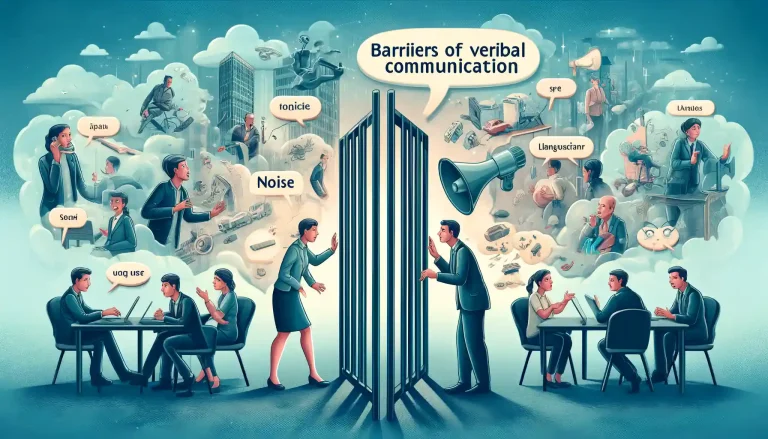
Exploring Physical Barriers To Communication
Clear communication often depends on more than just the words we use. The environment around us can make or break how messages are sent, received, and understood. Whether it’s a noisy room, a broken microphone, or a long distance between two people, physical barriers can create confusion and delay. Let’s take a closer look at what these barriers are, where they show up, and how we can reduce their impact.
Contents
What Are Physical Barriers?
Physical barriers are external obstacles that interfere with the flow of information. These can be anything from environmental noise to poor infrastructure. Unlike psychological barriers that arise from emotions or mindset, physical barriers are usually visible and easier to identify. They often result from design flaws, equipment issues, or unfavorable conditions.
Examples include:
- Loud machinery making it hard to hear
- Poor lighting that limits visual cues
- Faulty communication devices
- Large distances between sender and receiver
- Layouts that separate people in a workspace
Each of these affects how easily people can communicate with each other.

Common Types of Physical Barriers
Noise
Noise isn’t just annoying—it’s disruptive. Whether it’s traffic outside, a loud air conditioner, or construction nearby, background noise can drown out important words. In factories, schools, and open offices, it’s one of the most common challenges. Excessive noise can severely disrupt spoken communication.
Distance
Long distances make communication slower and less personal. Teams working across time zones or remote employees may face delays, missed cues, or reduced participation.
Poor Lighting
When lighting is too dim or overly harsh, it becomes hard to see body language or read written messages. This especially affects people with visual impairments or during video calls.
Faulty Equipment
Outdated or broken devices can create gaps in communication. A dropped call, glitchy video feed, or a non-working projector during a meeting all interrupt the message.
Space and Layout
Cubicles, closed offices, or physical dividers can block interaction. A workspace that separates people discourages collaboration and reduces casual exchanges that often lead to better understanding.
Real-World Situations Impacted by Physical Barriers
Workplaces
In offices with poor layout or weak audio equipment, even simple meetings can become frustrating. Teams may avoid communicating altogether if it becomes a chore. Redesigning office spaces to promote open communication can improve collaboration and reduce misunderstandings.
Schools
In large lecture halls without proper acoustics or visual aids, students struggle to keep up. Teachers using microphones, projectors, or interactive tools tend to keep students more involved. Educational institutions face unique physical barriers like large halls and poor acoustics.
Public Services
City halls or public centers located in noisy, crowded areas can make it hard for residents to get information. Adding visual displays or improving sound systems helps bridge the gap.
Healthcare
Hospitals with confusing layouts or poor signage create stress for patients. A simple redesign with clearer signs and lighting makes communication smoother and the environment more welcoming. See how communication barriers in healthcare affect service delivery.
Overlooked Sources of Physical Barriers

Weather
Heavy rain, snow, or extreme temperatures can delay communication or prevent it entirely. For example, bad weather may block roads or cause power outages that interrupt online meetings.
Infrastructure
Bad road conditions, lack of transport, or limited access to digital tools can restrict communication between regions or communities. This is common in rural or underdeveloped areas.
Disabilities
Physical limitations, like hearing loss or difficulty speaking, require adjustments in communication methods. Sign language, captions, or written materials help bridge these gaps.
Pollution
Dust, smoke, or poor air quality can discourage outdoor conversations or make it hard to stay focused. Long-term exposure may even impact hearing or speech clarity.
Interruptions
A busy environment with frequent interruptions affects focus. Constant phone calls, unexpected visits, or loud announcements can cut conversations short or lead to misunderstandings.
How Physical Barriers Affect Message Delivery

When the setting interferes with a message, it doesn’t just affect the sender—it affects everyone involved. Messages may be delayed, misunderstood, or completely lost. Even nonverbal cues like facial expressions or gestures can be missed if the space is too crowded or lighting is poor.
Employees may repeat themselves often or give up on communicating entirely. This leads to frustration, lower productivity, and reduced teamwork.
Solutions That Actually Work
Encourage Feedback
One of the simplest ways to check if communication is clear is to ask. Encourage questions and feedback during conversations. It’s a good way to make sure nothing got lost.
Reduce Noise
Hold meetings in quiet rooms. Use sound-absorbing materials or schedule calls during low-activity hours. A small change in setting often improves message clarity.
Improve Lighting
Good lighting makes a big difference. It helps people read facial expressions, follow along with visuals, and stay focused.
Upgrade Equipment
Make sure communication tools—phones, mics, internet—are working well. Keep backup devices ready and update software when needed.
Adjust Layouts
Create spaces where people can talk without barriers. Remove unnecessary dividers or design meeting areas that support collaboration. Even adding whiteboards or glass walls can help encourage interaction.
Use Visual Aids
Charts, slides, photos, and signs can support spoken or written communication. They help especially when speaking different languages or explaining complex ideas.
Be Inclusive
Make sure communication works for everyone. That means adding subtitles to videos, using simple words, or providing handouts. Think about people who may not hear or see as well.
Final Thoughts
Physical barriers can sneak into almost any situation, making communication harder than it needs to be. But most of them are manageable with a few changes to the environment, tools, or habits. Small tweaks—like better lighting or clearer signage—can completely shift the way people interact.
The next time a message doesn’t come through, take a look around. You might find that the problem isn’t what’s being said, but what’s in the way of it getting across.